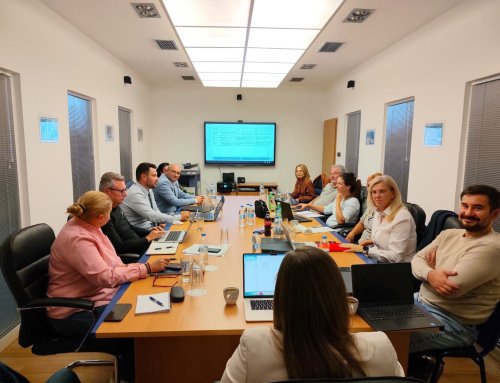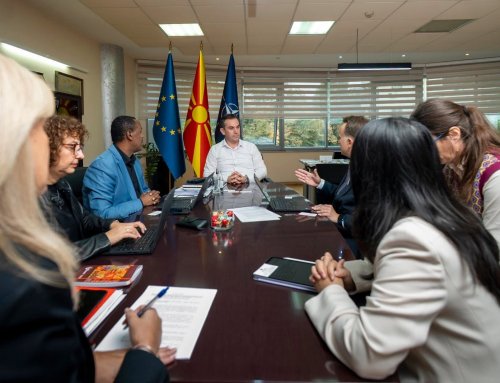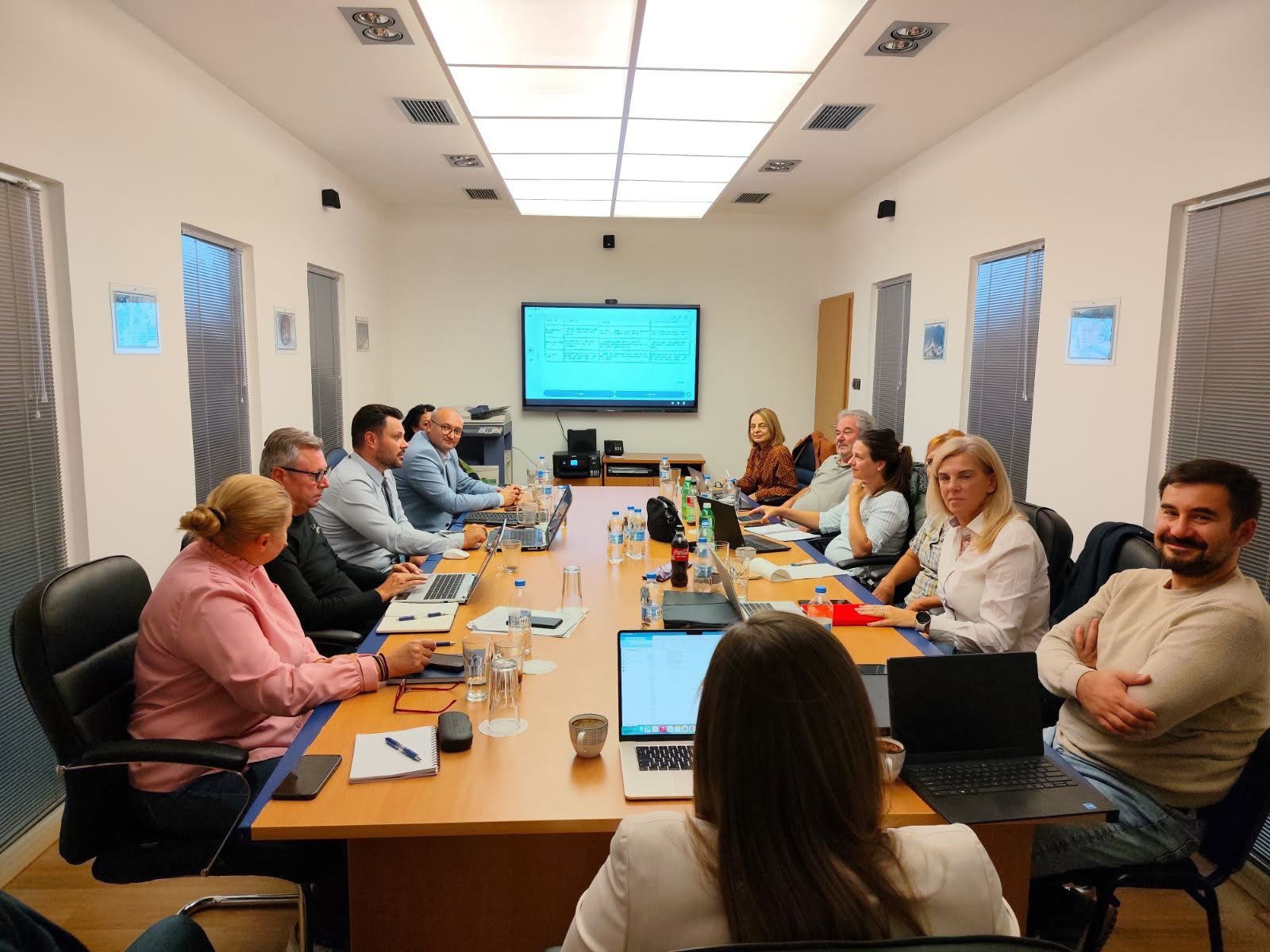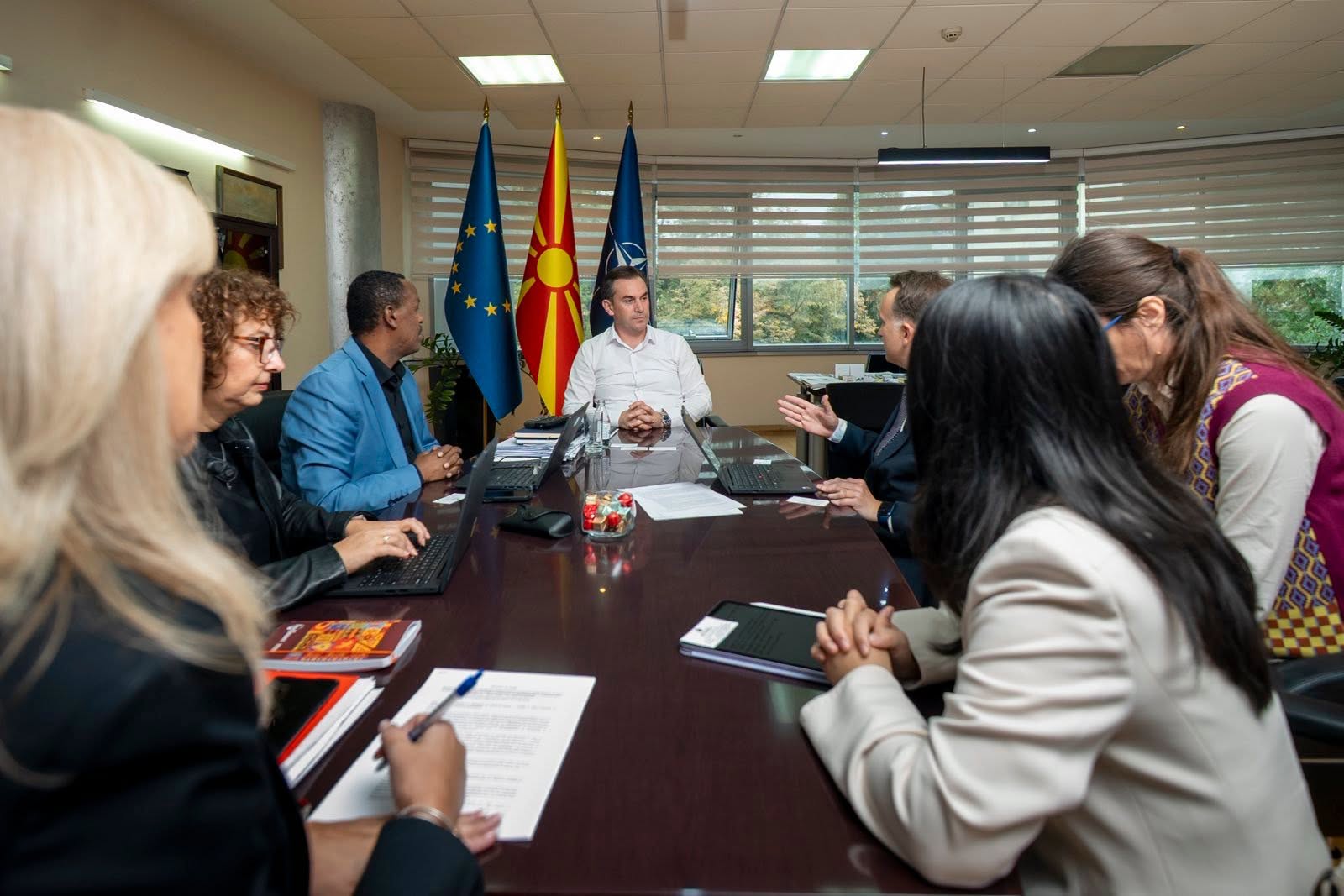


The study visit to an operational agricultural collection and conditioning center in Kosovo provided valuable insights into organized purchasing, modern sorting and packaging technologies, cold storage infrastructure, and access to international markets. The experience gained will contribute to the planning of the future center in Kuklish, Strumica.
As part of the Agricultural Modernization Project (AMP), implemented by the Ministry of Agriculture, Forestry and Water Economy (MAFWE) with the support of the World Bank, a study visit to an operational agricultural collection and conditioning center in the Municipality of Mamusha, Republic of Kosovo, was organized on October 21, 2026.
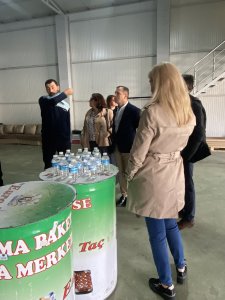
The visit brought together representatives of MAFWE and the project team, the Joint Stock Company for Construction and Management of Residential and Commercial Properties of Significance to the Republic – Skopje, as well as representatives of agricultural cooperatives and businesses from the Strumica region.
The main objective of the visit was to gain practical insights into the operational and organizational aspects of such a facility and identify experiences that could be applied in planning the future Agricultural Collection and Conditioning Center in the village of Kuklish, Municipality of Strumica.
From a Small Family Business to an Established Export Center
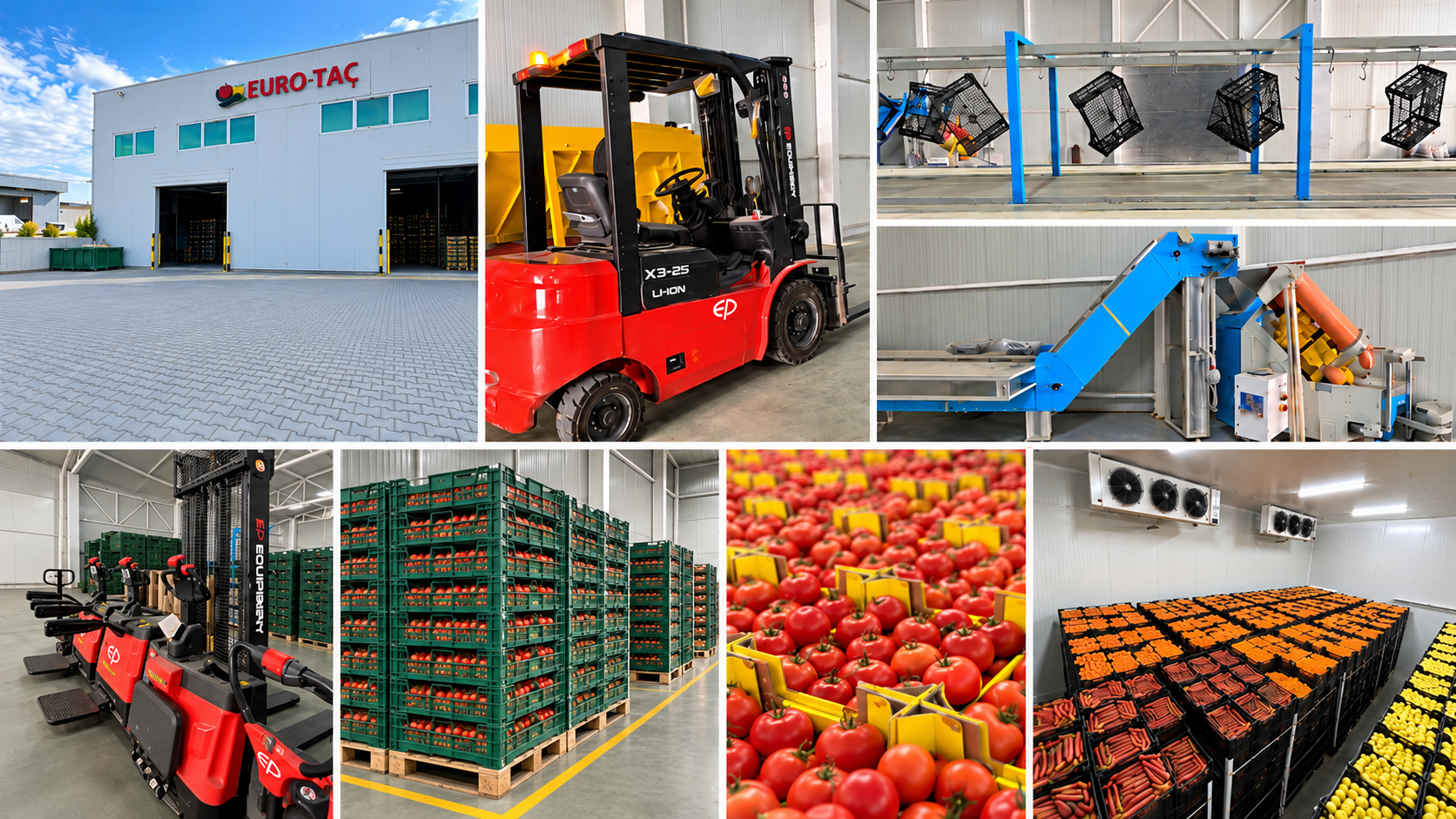
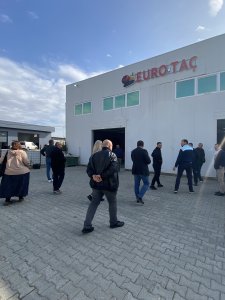
During the visit, participants had the opportunity to learn about the operations of EURO TAC, a company established in 2009 by Nehat Taç, which represents an example of the gradual development of agricultural collection, storage, and marketing capacities.
The company began its operations in a facility of approximately 100 square meters and has progressively invested in expanding its warehouse and cold storage capacities, modern machinery, and equipment for preparing agricultural products for the market.
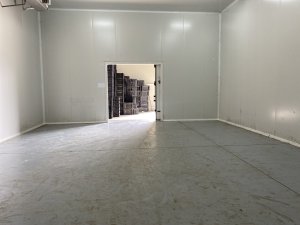
Today, the center operates approximately 2,000 square meters of covered warehouse space and two cold storage facilities with a combined area of around 500 square meters. It operates throughout the year and serves agricultural producers from surrounding areas.
Of particular significance is the company’s development of an organized purchasing and export system, enabling agricultural products to reach numerous European and regional markets.
According to information shared by the hosts, approximately 280 truckloads were exported during the previous year, with nearly 90% of exports supplied directly to supermarket chains.
This example highlights the importance of continuous investment, adapting to market requirements, and establishing stable business relationships with agricultural producers and buyers.
Modern Infrastructure and Organized Processes as a Foundation for Competitive Agriculture
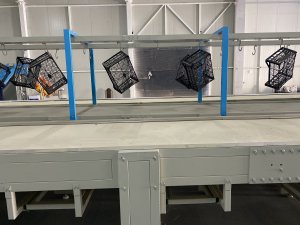
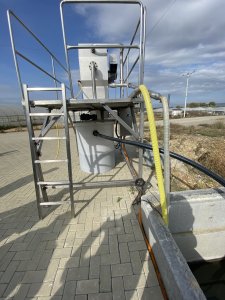
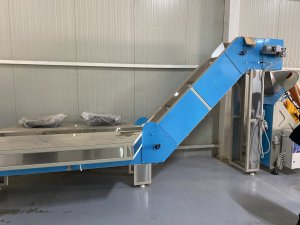
During the field visit, participants toured the facilities for receiving, sorting, grading, packaging, and storing agricultural products, as well as the refrigerated chambers and internal transport equipment.
Special attention was given to technological solutions that ensure the efficient movement of products through the different stages of preparation, from their initial reception at the center to final delivery.
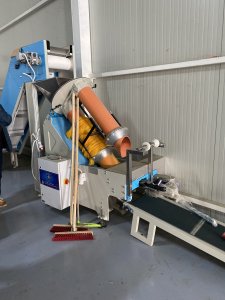
The use of sorting and grading equipment, conveyor systems, packaging lines, and appropriate cold storage infrastructure plays a significant role in maintaining product quality and meeting the requirements of modern markets.
Through direct observation of the center’s daily operations, participants also gained insights into important organizational aspects, including the functional layout of the facility, packaging management, and logistical coordination.
Cooperation with Farmers as a Key Factor for Successful Market Access
One of the most valuable aspects of the visit was the opportunity to examine the cooperation model between the center and local agricultural producers.
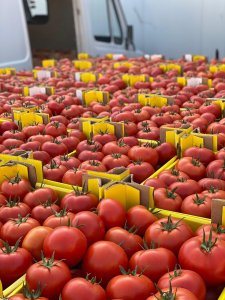
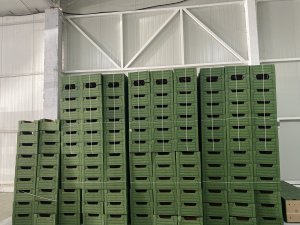
EURO TAC works with farmers from surrounding villages through an organized collection and purchasing system. Producers are provided with packaging crates and deliver their agricultural products to the center, where they are prepared for further distribution and marketing.
According to information presented during the visit, the established supply network includes producers cultivating approximately 70% of the region’s total 550 hectares of greenhouse production areas.
In addition to organizing agricultural purchasing, the company provides technical support to farmers through cooperation with agricultural input suppliers and the engagement of specialized professional staff.
This approach demonstrates that the successful operation of an agricultural collection and conditioning center depends not only on physical infrastructure and equipment, but also on long-term cooperation with producers, consistent product quality, and reliable market channels.
Applying the Experience to the Future Center in Kuklish
The study visit is particularly relevant to the planned construction of the Agricultural Collection and Conditioning Center in the village of Kuklish, Municipality of Strumica, one of the activities supported under the Agricultural Modernization Project.
The future center is planned to include functional infrastructure for receiving, storing, sorting, packaging, cooling, and handling agricultural products, together with the necessary logistical facilities.
The experiences gained in Mamusha provide a valuable practical basis for reviewing the proposed technical solutions, operational processes, and potential management models for the future center.
Particular attention will be given to approaches for connecting with agricultural producers, organizing the collection and purchasing of products, ensuring the efficient use of equipment, and aligning production with market requirements.
These aspects will be important in further planning the services that the future center could provide to agricultural producers in the Strumica region.
Knowledge Exchange Supporting Agricultural Sector Modernization
The study visit to Mamusha represents an important step in exchanging practical knowledge and learning from established models of organized agricultural collection and product conditioning.
The visit highlighted that agricultural sector modernization involves more than investing in modern facilities and technologies. It requires an integrated approach that connects agricultural producers, logistics infrastructure, technical expertise, and market opportunities.
The knowledge and insights gained will serve as an additional reference for further consideration of the organizational and technical solutions for the planned center in Kuklish, in accordance with the relevant project and institutional procedures.
Through the Agricultural Modernization Project, efforts continue to focus on improving conditions for organized agricultural marketing, enhancing product quality, and strengthening the competitiveness of domestic agricultural production.